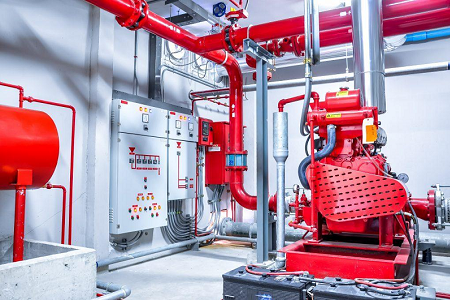
With the rapid urbanization and population growth across India, solid waste management has become one of the most pressing environmental challenges of the 21st century. Among the various byproducts of solid waste, leachate—the liquid that drains or ‘leaches’ from a landfill—is a particularly hazardous pollutant. If not properly managed, leachate can contaminate soil, groundwater, and nearby water bodies, posing severe risks to human health and the environment. This is where LTP plants (Leachate Treatment Plants) come into play, offering a critical solution to mitigate the environmental damage caused by untreated leachate.
This article explores the increasing importance of leachate treatment plants in India, with a particular focus on the development of leachate treatment plants in New Delhi, a city facing significant challenges in waste management.
Understanding the Basics: What is a Leachate Treatment Plant (LTP Plant)?
An LTP plant is a specialized facility designed to treat leachate generated at municipal solid waste landfills, industrial sites, and hazardous waste storage facilities. Leachate is often rich in organic matter, heavy metals, ammonia, nitrates, and pathogens. Its composition can vary greatly depending on the age of the landfill, types of waste deposited, and local climatic conditions.
The primary goal of an LTP plant is to purify this highly toxic liquid, converting it into water that can be safely discharged into the environment or reused for non-potable purposes, such as irrigation or construction.
Why LTP Plants Are Essential for India
India generates over 160,000 tonnes of municipal solid waste every day. A significant portion of this ends up in landfills without proper segregation or processing. As waste accumulates, so does the volume of leachate, especially during the monsoon season when rainfall increases percolation through the waste heaps.
Despite the massive scale of this problem, leachate treatment plants in India have traditionally been limited in number and efficiency. Most landfill sites do not have adequate leachate management systems, resulting in environmental degradation and health hazards for nearby communities.
However, with increased awareness and stricter regulations under the Solid Waste Management Rules 2016, urban local bodies and private waste management companies are now investing in modern LTP plants. These facilities use a combination of physical, chemical, and biological processes to treat leachate effectively.
Technologies Used in LTP Plants
Modern LTP plants in India employ a range of advanced technologies to handle the complex composition of leachate:
Equalization Tanks: Used to collect and homogenize leachate from the landfill.
Anaerobic and Aerobic Biological Treatment: Bacteria help break down organic matter in leachate.
Reverse Osmosis (RO): Removes dissolved salts and toxic contaminants.
Membrane Bioreactors (MBR): Combine biological treatment and membrane filtration for enhanced purification.
Activated Carbon Filters: Absorb residual organics and improve water quality.
UV Disinfection: Kills pathogens to make the treated water safe for reuse.
The choice of technology depends on the quantity and quality of leachate, as well as local environmental guidelines.
Spotlight: Leachate Treatment Plant in New Delhi
New Delhi, India’s capital, is home to some of the largest and most problematic landfill sites in the country—Ghazipur, Okhla, and Bhalswa. These sites have been operational for decades and generate massive volumes of leachate every day. In the past, untreated leachate from these landfills has seeped into the groundwater, affecting drinking water sources and increasing the risk of waterborne diseases.
To combat this, the Delhi Municipal Corporation and private partners have recently initiated several projects to install modern leachate treatment plants in New Delhi.
Noteworthy Developments:
Ghazipur LTP Plant: This facility processes thousands of litres of leachate daily using MBR and RO technologies. The treated water is reused for dust suppression and horticulture.
Bhalswa and Okhla Projects: These are being upgraded with high-capacity LTP units capable of treating older leachate (often called ‘black leachate’), which is far more challenging to manage due to its high contaminant load.
Public-Private Partnerships (PPP): Several waste management companies are working with Delhi authorities to set up modular and containerized LTP plants that can be deployed quickly and cost-effectively.
The success of leachate treatment plants in New Delhi is setting a benchmark for other Indian cities facing similar landfill-related problems.
Regulatory Framework and Government Initiatives
The Indian government, through the Central Pollution Control Board (CPCB) and State Pollution Control Boards (SPCBs), has laid down specific guidelines for leachate management. The Solid Waste Management Rules, 2016, mandate that all landfill sites must have an operational leachate collection and treatment system.
Additionally, the Swachh Bharat Mission and Smart Cities Mission emphasize the need for scientific waste processing, including the establishment of LTP plants as part of integrated solid waste management strategies.
Financial support from the Urban Infrastructure Development Scheme and State Pollution Control Boards has also helped municipal bodies implement LTP systems in a phased manner.
Challenges in Implementing LTP Plants
While the growth of LTP plants in India is commendable, several challenges remain:
High Capital Cost: Advanced technologies like RO and MBR are expensive to set up and maintain.
Operation and Maintenance (O&M): Many municipal bodies lack the technical expertise for efficient LTP plant operation.
Power Consumption: LTP systems are energy-intensive and may not be sustainable without renewable energy integration.
Sludge Disposal: Treated leachate still generates residual sludge that must be disposed of carefully.
Despite these hurdles, increasing awareness, technological innovations, and stricter regulations are gradually transforming the leachate treatment landscape in India.
The Way Forward: Toward a Greener and Cleaner Future
As India moves towards sustainable urban development, the importance of LTP plants cannot be overstated. These plants serve as critical infrastructure for environmental protection, especially in densely populated urban areas like New Delhi. Continued investment, public awareness, and government support will be crucial in ensuring that every landfill in the country is equipped with a functional leachate treatment plant.
Looking ahead, integrating renewable energy sources, such as solar or biogas, to power LTP operations could further improve sustainability. Moreover, decentralized and mobile LTP units could offer cost-effective solutions for smaller municipalities and rural areas.
Conclusion
The growth of leachate treatment plants in India represents a positive shift toward responsible waste management and environmental stewardship. In urban centers like New Delhi, where the risks of pollution are particularly acute, the successful implementation of LTP plants is proving that sustainable solutions are not just possible—they are essential. As awareness grows and technology advances, these systems will play a central role in safeguarding India’s water resources and public health for generations to come.