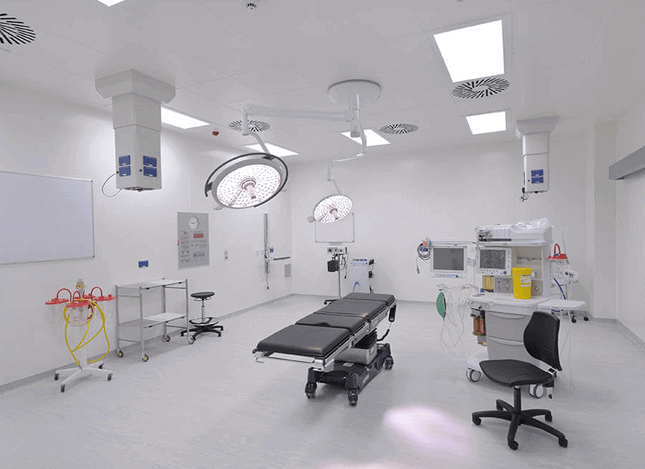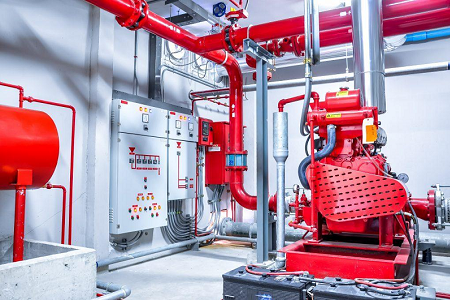
Thursday, September 25, 2025

Delivering Excellence in Climate Control: Choosing the Right Commercial HVAC Contractor in India

 The Heating, Ventilation, and Air Conditioning (HVAC) industry has become a cornerstone of modern infrastructure in India. From office complexes and shopping malls to industrial facilities and hospitals, reliable HVAC systems ensure comfort, energy efficiency, and better indoor air quality. As businesses expand and sustainability takes center stage, finding the right commercial HVAC contractor in India has never been more critical.

The Growing Importance of HVAC Systems in India

India’s rapid urbanization and industrial growth have created a significant demand for advanced HVAC solutions. Commercial and industrial facilities require systems that not only deliver efficient cooling and ventilation but also align with global sustainability goals. In today’s market, an HVAC solution must ensure:

Energy efficiency to reduce operational costs.

Durability to withstand high usage and diverse climates.

Compliance with standards for safety and environmental responsibility.

This growing demand has given rise to specialized contractors who bring expertise, technology, and innovation to the field. Choosing the right HVAC contractor in India can determine the success and longevity of your project.

Qualities to Look for in a Commercial HVAC Contractor

When evaluating potential contractors, it is essential to focus on experience, technical capability, and service quality. The following attributes set top contractors apart:

1. Proven Experience

   Contractors with years of experience in large-scale commercial projects can anticipate challenges and deliver tailored solutions.

2. End-to-End Services

   The best contractors provide design, installation, maintenance, and repair services under one roof, ensuring seamless execution.

3. Expert Team

   Skilled engineers and technicians with updated knowledge of global HVAC technologies help guarantee reliable results.

4. Energy-Efficient Solutions

   With rising energy costs, modern HVAC systems should emphasize energy savings, eco-friendly refrigerants, and smart automation.

5. Compliance & Safety

   A professional contractor will follow all safety codes, certifications, and environmental regulations to ensure long-term sustainability.

Why Businesses Need a Specialized HVAC Contractor in India

While general contractors may offer HVAC as part of their services, only a specialized contractor understands the intricacies of air distribution, cooling loads, and ventilation for diverse industries. For example:

Hospitals and laboratories require strict temperature and air quality control.

Data centers demand precision cooling to safeguard servers.

Industrial facilities need robust systems that handle high heat loads.

By choosing a specialized commercial contractor, businesses benefit from customized solutions, minimized downtime, and long-term reliability.

The Road Ahead: Sustainability and Smart Technology

As India continues to embrace green building practices, modern HVAC contractors are adopting advanced technologies such as:

Smart HVAC systems with IoT-based monitoring.

Variable refrigerant flow (VRF) technology for flexible cooling.

Renewable energy integration, including solar-powered HVAC systems.

This shift ensures not only comfort but also contributes to reducing carbon footprints.

Conclusion

The HVAC industry in India is evolving rapidly, making it essential for businesses to partner with the right experts. A trusted commercial HVAC contractor in India brings the technical expertise, advanced solutions, and long-term support needed to keep facilities efficient and future-ready. Whether for new projects or upgrading existing systems, selecting the right HVAC contractor in India ensures your investment delivers maximum value in comfort, performance, and sustainability.

Thursday, September 11, 2025

Transforming Wastewater Management: How LTP Plant Setup and LTP Solutions Shape a Sustainable Future

 In today’s world, where industries, commercial establishments, and even residential complexes are expanding rapidly, the demand for effective wastewater management has become more critical than ever. Water scarcity and environmental concerns have made it necessary for businesses and communities to adopt advanced treatment methods. This is where LTP plants and comprehensive LTP solutions play a vital role.

An LTP plant (Liquid Treatment Plant) is designed to treat wastewater efficiently, ensuring that the discharged water meets environmental standards and is safe for reuse or disposal. Beyond compliance, investing in an LTP plant setup contributes directly to sustainable development, reduced operational costs, and corporate responsibility. Let’s explore why these systems are becoming indispensable and how they shape a greener tomorrow.

What is an LTP Plant?

An LTP plant is a wastewater treatment system designed to handle liquid waste generated by industries, commercial buildings, and residential complexes. The plant follows a series of physical, chemical, and biological processes to purify wastewater. The treated water can then be discharged safely or reused for non-potable applications such as landscaping, cooling towers, or toilet flushing.

The core objective of an LTP plant setup is to:

Reduce pollutants in wastewater.

Ensure compliance with government regulations.

Recycle and reuse water wherever possible.

Protect natural water bodies from contamination.

The Importance of LTP Solutions in Modern Infrastructure

Adopting advanced LTP solutions goes beyond meeting statutory requirements—it signifies a commitment to environmental stewardship. With urbanization increasing, the pressure on existing water resources is immense. By integrating an LTP plant, industries and communities can recycle significant volumes of wastewater, reducing dependency on freshwater sources.

Some of the key advantages of adopting robust LTP solutions include:

Environmental Protection – Prevents untreated wastewater from polluting rivers, lakes, and groundwater.

Water Reuse – Treated water can be recycled, cutting down on fresh water usage.

Cost Savings – Minimizes expenses related to water procurement and waste disposal.

Regulatory Compliance – Ensures businesses adhere to environmental laws and avoid penalties.

Brand Reputation – Demonstrates a commitment to sustainability, which enhances credibility with customers and stakeholders.

Steps Involved in LTP Plant Setup

Establishing an efficient LTP plant setup requires detailed planning, technical expertise, and high-quality equipment. The setup process generally involves:

1. Site Assessment

Engineers evaluate the type and volume of wastewater generated and analyze the space available for installation.

2. Design & Engineering

A customized design is developed to match the specific wastewater characteristics, ensuring maximum efficiency and cost-effectiveness.

3. Selection of Technology

Depending on the requirements, technologies like activated sludge process, MBBR (Moving Bed Biofilm Reactor), or SBR (Sequencing Batch Reactor) are chosen.

4. Construction & Installation

The plant is constructed with tanks, aeration systems, pumps, filters, and control units. Proper installation ensures durability and operational efficiency.

5. Testing & Commissioning

Once installed, the plant undergoes rigorous testing to ensure it meets desired performance levels before being handed over for daily operations.

6. Operation & Maintenance

Regular monitoring, servicing, and maintenance are essential to keep the plant functioning efficiently and to prolong its life.

Choosing the Right LTP Plant Setup

Every industry or housing complex has unique wastewater treatment requirements. The choice of LTP plant setup should consider:

Type of Effluent: Industrial wastewater differs greatly from residential or commercial waste.

Capacity Needs: The daily wastewater output determines plant size.

Space Availability: Compact modular plants are available for limited spaces.

Budget Constraints: While initial costs may vary, operational efficiency must always be prioritized.

Scalability: Plants should be designed to handle future expansion needs.

Innovations in LTP Solutions

Modern LTP solutions now integrate smart technology and automation to make wastewater management more efficient. Some key innovations include:

IoT-based Monitoring: Real-time sensors provide data on water quality and plant performance.

Energy-Efficient Systems: Advanced aeration systems reduce power consumption.

Compact Modular Designs: Ideal for urban spaces with limited land availability.

Sludge Management Solutions: Innovative processes reduce sludge generation and disposal costs.

These technological advancements ensure that an LTP plant not only treats wastewater effectively but also aligns with sustainability goals.

Industries and Establishments Benefiting from LTP Plants

An LTP plant setup is no longer limited to heavy industries. Its applications have widened across various sectors, including:

Residential Apartments & Housing Societies

Hotels and Hospitality Industry

Hospitals and Healthcare Facilities

Educational Institutions

Manufacturing Units

IT Parks and Corporate Offices

Each sector requires tailored LTP solutions to match its wastewater output and quality standards.

The Future of LTP Plants

As governments tighten environmental regulations and society becomes more eco-conscious, the role of LTP plants will only grow. With water scarcity posing a global challenge, industries and communities must view wastewater not as waste but as a resource.

Future-ready LTP plant setups will emphasize:

Higher efficiency at lower costs.

Greater focus on water recycling.

Eco-friendly and zero-liquid discharge (ZLD) solutions.

Smart digital control systems for better automation.

Conclusion

The demand for effective wastewater treatment is no longer optional—it is a necessity. Investing in a reliable LTP plant setup backed by innovative LTP solutions is a smart move for industries, commercial complexes, and residential societies alike. These plants not only ensure compliance with environmental norms but also contribute to sustainability, cost reduction, and long-term resilience.

By adopting advanced LTP plants, we can collectively take a big step toward conserving water resources and safeguarding our environment for future generations.

Tuesday, September 2, 2025

Choosing the Right MEP Contractor in India: A Complete Guide

 In today’s fast-growing construction and infrastructure industry, mechanical, electrical, and plumbing (MEP) systems form the backbone of every building project. From ensuring proper ventilation and lighting to establishing reliable water supply and drainage systems, MEP services are essential for both residential and commercial spaces. The role of a MEP Contractor in India has become more critical than ever, as projects demand efficiency, sustainability, and cutting-edge technology.

Whether you are planning a new construction project or upgrading an existing facility, partnering with the right MEP Contractor services provider in India can make all the difference. This article explores what MEP contractors do, why they are important, and how to choose the best partner for your project.

What is an MEP Contractor?

An MEP contractor specializes in the design, installation, and maintenance of mechanical, electrical, and plumbing systems in buildings. These contractors ensure that all technical systems function efficiently and in harmony. Their work covers:

Mechanical Systems: Heating, ventilation, and air conditioning (HVAC), refrigeration, and fire protection systems.

Electrical Systems: Power distribution, lighting, fire alarms, and energy management systems.

Plumbing Systems: Water supply, sewage, drainage, and stormwater systems.

A reliable MEP Contractor in India integrates these components to deliver energy-efficient and cost-effective solutions while maintaining safety standards.

Importance of MEP Contractors in Construction

In construction, MEP services account for approximately 40–60% of the total project cost. This highlights their importance in ensuring the success and sustainability of any building. Here’s why they matter:

Energy Efficiency: Modern MEP solutions prioritize reducing energy consumption through innovative HVAC systems, LED lighting, and advanced smart energy management.

Safety Compliance: MEP contractors ensure that systems meet national and international safety standards, reducing risks of electrical failures or plumbing hazards.

Comfort and Functionality: Proper MEP design enhances indoor air quality, ensures an efficient water supply, and ensures uninterrupted power distribution.

Sustainability: With the rise of green buildings, MEP contractors are now incorporating eco-friendly technologies, including solar panels, rainwater harvesting systems, and water recycling systems.

Choosing the right MEP Contractor services provider in India ensures your building is not only functional but also future-ready.

Qualities of a Reliable MEP Contractor in India

When selecting an MEP partner, look for the following key qualities:

Technical Expertise

A strong background in mechanical, electrical, and plumbing systems is non-negotiable. Check whether the contractor has experience with projects similar to yours.

Proven Track Record

A reputed MEP Contractor in India should be able to showcase successful past projects across residential, commercial, and industrial sectors.

Compliance with Standards

Ensure they follow Indian building codes and international standards such as ASHRAE, NFPA, and LEED for sustainable construction.

Innovative Solutions

Today’s construction projects demand smart technologies like Building Management Systems (BMS), energy-efficient HVAC, and advanced fire safety systems.

Skilled Workforce

A contractor with certified engineers, technicians, and project managers will deliver projects on time and within budget.

Benefits of Hiring an MEP Contractor Services Provider in India

Partnering with a professional contractor offers numerous advantages:

Cost Savings: Efficient MEP design reduces operational costs through lower energy consumption and fewer maintenance issues.

Time Efficiency: Experienced contractors streamline the installation process, ensuring deadlines are met.

End-to-End Solutions: From planning to execution and maintenance, MEP contractors provide a one-stop solution.

Sustainability: They implement eco-friendly practices that contribute to green building certifications.

Custom Solutions: Every project is unique, and a good contractor tailors services to match specific needs.

Sectors Served by MEP Contractors in India

The demand for MEP services is growing across diverse industries. Leading MEP Contractor service providers in India serve:

Residential Projects: Apartments, housing complexes, and luxury villas.

Commercial Spaces: Shopping malls, office buildings, hotels, and IT parks.

Healthcare: Hospitals and clinics with specialized HVAC and plumbing needs.

Industrial: Manufacturing units, warehouses, and data centers requiring advanced power and cooling solutions.

Infrastructure: Airports, metro stations, and smart cities that depend on large-scale MEP systems.

How to Choose the Best MEP Contractor in India

Here are some practical tips to select the right partner:

Check Credentials: Verify licenses, certifications, and accreditations.

Evaluate Past Projects: Look for case studies or client testimonials.

Compare Proposals: Don’t just go for the lowest price; analyze the quality of services offered.

Focus on Technology: Ensure they use modern tools like BIM (Building Information Modeling) for design and planning.

After-Sales Support: A contractor who provides reliable maintenance services will add long-term value to your project.

The Future of MEP Services in India

With rapid urbanization and the rise of smart cities, the demand for MEP contractors is expected to grow exponentially. Future trends include:

Integration of IoT and automation for building management.

Use of renewable energy solutions such as solar and wind power.

Increased focus on sustainable and green buildings.

Adoption of AI-driven predictive maintenance to reduce downtime.

These advancements make it even more important to choose a future-ready MEP Contractor services provider in India.

Conclusion

MEP services are the lifeline of modern buildings, ensuring safety, comfort, and sustainability. From efficient HVAC systems to advanced electrical installations and reliable plumbing solutions, the role of an MEP Contractor in India cannot be overstated.

By selecting the right MEP Contractor services provider in India, you gain a trusted partner who can deliver quality, innovation, and long-term value for your project. As India continues to grow, investing in the right MEP partner today will ensure your buildings remain efficient, sustainable, and future-proof tomorrow.

Monday, August 4, 2025

Advanced Leachate Management: The Role of LTP Plants in India’s Wastewater Treatment Ecosystem

 With the rapid urbanization and population growth across India, solid waste management has become one of the most pressing environmental challenges of the 21st century. Among the various byproducts of solid waste, leachate—the liquid that drains or ‘leaches’ from a landfill—is a particularly hazardous pollutant. If not properly managed, leachate can contaminate soil, groundwater, and nearby water bodies, posing severe risks to human health and the environment. This is where LTP plants (Leachate Treatment Plants) come into play, offering a critical solution to mitigate the environmental damage caused by untreated leachate.

This article explores the increasing importance of leachate treatment plants in India, with a particular focus on the development of leachate treatment plants in New Delhi, a city facing significant challenges in waste management.

Understanding the Basics: What is a Leachate Treatment Plant (LTP Plant)?

An LTP plant is a specialized facility designed to treat leachate generated at municipal solid waste landfills, industrial sites, and hazardous waste storage facilities. Leachate is often rich in organic matter, heavy metals, ammonia, nitrates, and pathogens. Its composition can vary greatly depending on the age of the landfill, types of waste deposited, and local climatic conditions.

The primary goal of an LTP plant is to purify this highly toxic liquid, converting it into water that can be safely discharged into the environment or reused for non-potable purposes, such as irrigation or construction.

Why LTP Plants Are Essential for India

India generates over 160,000 tonnes of municipal solid waste every day. A significant portion of this ends up in landfills without proper segregation or processing. As waste accumulates, so does the volume of leachate, especially during the monsoon season when rainfall increases percolation through the waste heaps.

Despite the massive scale of this problem, leachate treatment plants in India have traditionally been limited in number and efficiency. Most landfill sites do not have adequate leachate management systems, resulting in environmental degradation and health hazards for nearby communities.

However, with increased awareness and stricter regulations under the Solid Waste Management Rules 2016, urban local bodies and private waste management companies are now investing in modern LTP plants. These facilities use a combination of physical, chemical, and biological processes to treat leachate effectively.

Technologies Used in LTP Plants

Modern LTP plants in India employ a range of advanced technologies to handle the complex composition of leachate:

Equalization Tanks: Used to collect and homogenize leachate from the landfill.

Anaerobic and Aerobic Biological Treatment: Bacteria help break down organic matter in leachate.

Reverse Osmosis (RO): Removes dissolved salts and toxic contaminants.

Membrane Bioreactors (MBR): Combine biological treatment and membrane filtration for enhanced purification.

Activated Carbon Filters: Absorb residual organics and improve water quality.

UV Disinfection: Kills pathogens to make the treated water safe for reuse.

The choice of technology depends on the quantity and quality of leachate, as well as local environmental guidelines.

Spotlight: Leachate Treatment Plant in New Delhi

New Delhi, India’s capital, is home to some of the largest and most problematic landfill sites in the country—Ghazipur, Okhla, and Bhalswa. These sites have been operational for decades and generate massive volumes of leachate every day. In the past, untreated leachate from these landfills has seeped into the groundwater, affecting drinking water sources and increasing the risk of waterborne diseases.

To combat this, the Delhi Municipal Corporation and private partners have recently initiated several projects to install modern leachate treatment plants in New Delhi.

Noteworthy Developments:

Ghazipur LTP Plant: This facility processes thousands of litres of leachate daily using MBR and RO technologies. The treated water is reused for dust suppression and horticulture.

Bhalswa and Okhla Projects: These are being upgraded with high-capacity LTP units capable of treating older leachate (often called ‘black leachate’), which is far more challenging to manage due to its high contaminant load.

Public-Private Partnerships (PPP): Several waste management companies are working with Delhi authorities to set up modular and containerized LTP plants that can be deployed quickly and cost-effectively.

The success of leachate treatment plants in New Delhi is setting a benchmark for other Indian cities facing similar landfill-related problems.

Regulatory Framework and Government Initiatives

The Indian government, through the Central Pollution Control Board (CPCB) and State Pollution Control Boards (SPCBs), has laid down specific guidelines for leachate management. The Solid Waste Management Rules, 2016, mandate that all landfill sites must have an operational leachate collection and treatment system.

Additionally, the Swachh Bharat Mission and Smart Cities Mission emphasize the need for scientific waste processing, including the establishment of LTP plants as part of integrated solid waste management strategies.

Financial support from the Urban Infrastructure Development Scheme and State Pollution Control Boards has also helped municipal bodies implement LTP systems in a phased manner.

Challenges in Implementing LTP Plants

While the growth of LTP plants in India is commendable, several challenges remain:

High Capital Cost: Advanced technologies like RO and MBR are expensive to set up and maintain.

Operation and Maintenance (O&M): Many municipal bodies lack the technical expertise for efficient LTP plant operation.

Power Consumption: LTP systems are energy-intensive and may not be sustainable without renewable energy integration.

Sludge Disposal: Treated leachate still generates residual sludge that must be disposed of carefully.

Despite these hurdles, increasing awareness, technological innovations, and stricter regulations are gradually transforming the leachate treatment landscape in India.

The Way Forward: Toward a Greener and Cleaner Future

As India moves towards sustainable urban development, the importance of LTP plants cannot be overstated. These plants serve as critical infrastructure for environmental protection, especially in densely populated urban areas like New Delhi. Continued investment, public awareness, and government support will be crucial in ensuring that every landfill in the country is equipped with a functional leachate treatment plant.

Looking ahead, integrating renewable energy sources, such as solar or biogas, to power LTP operations could further improve sustainability. Moreover, decentralized and mobile LTP units could offer cost-effective solutions for smaller municipalities and rural areas.

Conclusion

The growth of leachate treatment plants in India represents a positive shift toward responsible waste management and environmental stewardship. In urban centers like New Delhi, where the risks of pollution are particularly acute, the successful implementation of LTP plants is proving that sustainable solutions are not just possible—they are essential. As awareness grows and technology advances, these systems will play a central role in safeguarding India’s water resources and public health for generations to come.

Monday, July 21, 2025

Choosing the Right HVAC Contractor in India: Your Complete Guide to the Top HVAC Contractors

 In today's fast-growing industrial and commercial sectors, heating, ventilation, and air conditioning (HVAC) systems have become critical to creating efficient, comfortable, and healthy environments. Whether it's a residential apartment complex, a commercial building, or a large-scale industrial plant, HVAC systems ensure air quality, temperature regulation, and energy efficiency. The rising demand for high-performance HVAC installations and maintenance services has made the role of an HVAC contractor in India more crucial than ever.

This article delves into what makes a reliable HVAC contractor, the qualities of top service providers, and why choosing the top HVAC contractor in India can save time, money, and energy in the long run.

What Does an HVAC Contractor in India Do?

An HVAC contractor in India offers services related to designing, installing, maintaining, and repairing heating, ventilation, and air conditioning systems. These professionals typically work with various sectors, including:

Residential Projects

Commercial Complexes and Offices

Industrial Facilities

Hospitals and Healthcare Centers

Educational Institutions

Hotels and Hospitality

Data Centers and Tech Parks

The contractor’s job isn’t limited to installing AC units or ducts. They are responsible for ensuring energy efficiency, optimal airflow, and climate control. From load calculations and equipment selection to duct layout and system integration, their scope of work demands engineering expertise and regulatory compliance.

Why Is Choosing the Right HVAC Contractor Important?

Hiring the wrong contractor can lead to poor installation, frequent system breakdowns, increased energy bills, and even legal penalties due to non-compliance with environmental standards. On the other hand, the top HVAC contractor in India will ensure:

Proper System Design: Accurate calculations and system layout ensure efficient cooling/heating.

Compliance: Adherence to Indian standards and guidelines from bodies like ISHRAE and BEE.

Cost-Effectiveness: Optimized solutions that reduce long-term operational costs.

Maintenance & Support: Timely AMC services and emergency repairs.

Green Solutions: Emphasis on energy-efficient systems that reduce carbon footprint.

Key Qualities of a Top HVAC Contractor in India

Choosing the best contractor involves more than just comparing costs. Here are the qualities to look for:

1. Experience and Track Record

A top HVAC contractor in India usually has decades of experience and a strong portfolio of completed projects across multiple sectors. They understand the intricacies of different system types, climates, and building structures.

2. Technical Expertise

The company should have qualified engineers, skilled technicians, and project managers who can design and implement complex HVAC systems. Look for certifications from ISHRAE, ASHRAE, and similar professional bodies.

3. Client Testimonials and Reviews

Check references and online reviews. A well-reviewed contractor shows reliability, punctuality, and quality work.

4. Comprehensive Services

From system design and equipment procurement to installation and maintenance, a top contractor offers end-to-end services.

5. Use of Advanced Technologies

The best companies use energy modeling software, automation systems (like BMS), and eco-friendly refrigerants. These technologies make a big difference in performance and sustainability.

6. Safety and Compliance

They follow all safety protocols, especially in industrial and healthcare projects, and adhere to national codes and building laws.

The Growing HVAC Market in India

With rapid urbanization, government initiatives like Smart Cities Mission, and increased investments in infrastructure, the HVAC industry in India is projected to grow significantly. Sectors like IT, hospitality, healthcare, and retail are expanding fast, which increases the need for efficient climate control systems.

According to industry reports, the Indian HVAC market is expected to grow at a CAGR of over 10% in the coming years. This makes the role of an HVAC contractor in India even more vital as companies seek reliable partners to execute projects on time and within budget.

How to Choose the Top HVAC Contractor in India

Here are steps to help you find the right contractor:

a) Define Your Requirements

Understand whether your project is residential, commercial, or industrial. Are you installing a new system, upgrading an existing one, or seeking maintenance?

b) Request Multiple Quotes

Always get quotes from at least three contractors. Compare not only prices but also scope of work, material quality, and timelines.

c) Review Certifications and Licenses

Ensure the contractor holds all the necessary licenses and safety certificates.

d) Assess After-Sales Support

AMC (Annual Maintenance Contract) options and 24x7 customer support are important for uninterrupted operations.

e) Ask About Brands and Equipment Used

Top contractors use high-performance and globally trusted HVAC brands like Daikin, Voltas, Carrier, Blue Star, LG, Mitsubishi, and others.

Case Example: Leading HVAC Contractors in India

One such example of a reliable service provider is Tejal Engineers – known for its expertise in HVAC, MEP, and turnkey solutions. With a reputation for completing commercial and industrial HVAC projects across India, Tejal Engineers has earned trust by consistently delivering high-quality systems and exceptional after-sales support. Their service covers everything from consultation and planning to execution and maintenance, making them a preferred HVAC contractor in India for clients in healthcare, data centers, retail, and real estate.

Challenges Faced by HVAC Contractors in India

Despite the growing demand, contractors face challenges like:

Rising material and energy costs

Lack of skilled manpower in tier-2 and tier-3 cities

Fluctuating regulatory frameworks

Climate adaptation in different geographies

However, the top HVAC contractor in India is equipped to handle these challenges through strategic planning, innovation, and continuous training.

Future Trends in HVAC Contracting

As sustainability becomes a priority, the HVAC industry is shifting towards:

Green Building Certifications (LEED, GRIHA)

Smart HVAC systems with IoT and AI

Solar-powered HVAC solutions

VRF/VRV systems for energy-efficient cooling

Retrofitting old buildings with efficient systems

Hiring a forward-thinking contractor ensures your systems are future-ready.

Conclusion

Finding the right HVAC contractor in India is a crucial decision that impacts your comfort, safety, and energy bills. The top HVAC contractor in India will offer not just technical skill but also reliability, energy-efficient solutions, and strong client service.

Whether you’re a builder, facility manager, or business owner, always choose a contractor with a proven track record, professional expertise, and the ability to deliver tailored solutions. Your HVAC system is a long-term investment—make sure it’s in the right hands.

If you’re planning a new HVAC project or upgrading your existing system, start by evaluating top players, checking credentials, and comparing service offerings. The right partnership can help you achieve comfort, efficiency, and peace of mind.

Thursday, July 17, 2025

Why Choosing the Right MEP Contractor in India Is Critical for Project Success


In the rapidly evolving construction and infrastructure industry, the role of a reliable MEP contractor in India is more crucial than ever. MEP stands for Mechanical, Electrical, and Plumbing — the backbone systems of any modern structure. From commercial buildings and hospitals to data centers and industrial plants, MEP systems ensure that facilities run efficiently, safely, and sustainably. Choosing the right MEP contractor services provider in India can make a significant difference in project timelines, cost efficiency, operational excellence, and long-term maintenance.

The Role of an MEP Contractor

An MEP contractor is responsible for designing, installing, and maintaining the mechanical, electrical, and plumbing systems within a building. These systems include heating, ventilation, air conditioning (HVAC), fire safety, lighting, power distribution, water supply, drainage, and more. Their performance directly affects the safety, functionality, and sustainability of the building.

A proficient MEP contractor in India not only brings technical knowledge but also project management capabilities that ensure integration among different services. They collaborate closely with architects, civil engineers, and project managers, contributing to seamless execution and superior results.

Growing Demand for MEP Services in India

India’s construction boom, driven by rapid urbanization, infrastructure modernization, and smart city initiatives, has significantly increased the demand for dependable MEP contractor services provider in India. From metro rail projects and airports to IT parks and luxury hotels, every sector requires robust MEP solutions tailored to specific needs.

Government regulations are also becoming more stringent, with increased focus on energy efficiency, safety compliance, and environmental standards. As a result, developers and builders are turning to experienced MEP contractors who can ensure their projects meet these evolving requirements without compromising on quality or timelines.

Benefits of Hiring a Professional MEP Contractor in India

1. Integrated Project Execution

An experienced MEP contractor in India brings the advantage of integrated planning and execution. This ensures that all mechanical, electrical, and plumbing works are aligned and efficiently coordinated, reducing duplication, minimizing delays, and lowering costs.

2. Customized Solutions

Every project has unique requirements based on its location, usage, budget, and design. A skilled MEP contractor services provider in India will conduct a detailed needs assessment and provide customized design and execution plans, ensuring optimal performance and long-term value.

3. Energy Efficiency and Sustainability

With rising energy costs and growing emphasis on green buildings, energy-efficient MEP solutions are now a priority. A knowledgeable MEP contractor uses cutting-edge technologies like building automation systems, energy modeling, and sustainable HVAC design to enhance efficiency and reduce the carbon footprint of the facility.

4. Compliance with Local and International Standards

Professional MEP contractors in India are well-versed with local building codes and international standards like ASHRAE, NFPA, and LEED. This ensures your project complies with all legal and safety requirements, preventing delays and penalties during inspections and audits.

5. Cost and Time Efficiency

By outsourcing MEP works to a specialized MEP contractor services provider in India, developers can streamline execution, eliminate redundancy, and avoid cost overruns. Effective resource planning, material management, and execution sequencing are all hallmarks of an expert contractor’s service.

What to Look for in an MEP Contractor Services Provider in India

When selecting an MEP contractor in India, there are several key factors to consider:

Experience and Track Record: Look for a contractor with proven experience across different sectors and project scales.

In-House Capabilities: Contractors with in-house design, engineering, and installation teams can ensure better control and faster turnaround times.

Technological Expertise: Leading firms use advanced tools like BIM (Building Information Modeling), AutoCAD, and Revit for better planning and clash detection.

Certifications and Safety Standards: Ensure the contractor follows rigorous safety protocols and is certified for quality and compliance.

Client Testimonials and Case Studies: Review past projects and client feedback to gauge reliability, quality, and professionalism.

Challenges in MEP Execution and How a Good Contractor Overcomes Them

MEP systems are complex and involve high degrees of interdependency. Challenges like coordination with civil works, last-minute design changes, site constraints, and supply chain issues can disrupt progress.

A seasoned MEP contractor in India mitigates these challenges through:

Precise planning and scheduling

Real-time monitoring of project milestones

Use of prefabricated components to reduce site time

Agile response to change requests

Regular coordination meetings with other stakeholders

The Future of MEP Contracting in India

The future for MEP contractors in India looks promising, driven by the adoption of smart technologies, automation, IoT (Internet of Things), and sustainability trends. As buildings become smarter, MEP systems will need to be more intelligent, integrated, and adaptive.

Advanced MEP contractor service providers in India are already investing in training, automation tools, and energy management systems to stay ahead. Clients now expect MEP contractors to play a consultative role, providing insights on system efficiency, cost savings, and operational longevity.

Conclusion

Choosing the right MEP contractor in India is a foundational step for the success of any building or infrastructure project. From concept to commissioning, their expertise ensures that your project is safe, compliant, energy-efficient, and future-ready. As the demand for high-quality construction rises, so does the importance of partnering with a dependable and technically sound MEP contractor services provider in India.

One such example of excellence in the field is Tejal Engineers, known for their professional approach, high-quality execution, and innovative MEP solutions across India.

By working with the right partner, developers can ensure project excellence, minimize operational risks, and create buildings that are efficient, sustainable, and built to last.

Wednesday, June 25, 2025

Sustainable Wastewater Solutions: The Role of LTP Plants and Leachate Treatment in India


As urbanization and industrialization continue to expand across the country, the challenge of managing waste and its by-products grows increasingly urgent. Among the most critical issues is the treatment of landfill leachate – a highly contaminated liquid that forms when rainwater filters through solid waste at landfill sites. To combat this problem, Leachate Treatment Plants (LTP plants) are becoming an essential part of India’s waste management infrastructure.

Understanding Leachate and the Need for Treatment

Leachate is a toxic, foul-smelling liquid that can severely pollute soil and groundwater if not properly treated. It typically contains organic and inorganic compounds, heavy metals, ammonia, pathogens, and other hazardous substances. Left untreated, leachate can contaminate water bodies and pose serious health risks to humans and animals alike.

To address this concern, both municipal bodies and private organizations have begun to invest in specialized leachate treatment plants in India. These plants are engineered to manage, treat, and neutralize the harmful effects of leachate through various physical, chemical, and biological processes. Among these facilities, LTP plants stand out as dedicated systems focused solely on treating leachate from landfills and solid waste dumping grounds.

What is an LTP Plant?

An LTP (Leachate Treatment Plant) is a tailored wastewater treatment system designed to process and purify leachate generated at landfill sites. Unlike conventional sewage treatment plants that handle domestic wastewater, LTP plants are specifically engineered to deal with the complex and variable composition of leachate.

The design of an LTP plant often includes multiple stages such as:

  • Screening and primary filtration
  • Equalization tanks for flow regulation
  • Biological treatment (aerobic or anaerobic)
  • Chemical precipitation and flocculation
  • Advanced oxidation processes (AOPs)
  • Membrane filtration (UF/RO systems)
  • Final polishing before discharge or reuse

This multi-layered approach ensures that the effluent water meets environmental norms before being released into the environment or reused for industrial purposes.

Growing Demand for Leachate Treatment Plants in India

With increasing solid waste generation in urban areas, the demand for efficient leachate treatment plants in India is higher than ever. The Swachh Bharat Abhiyan and other government initiatives have further fueled the development of waste management infrastructure. Municipal corporations and waste management authorities across the country are now prioritizing the installation of LTP plants to prevent groundwater contamination and comply with the guidelines of the Central Pollution Control Board (CPCB).

Moreover, environmental regulations are becoming stricter, requiring landfill operators to ensure proper leachate management. In response, technology providers and environmental engineering firms are offering turnkey LTP solutions, customized to site-specific conditions and leachate characteristics.

Leachate Treatment Plant in Delhi: A Case Study

Delhi, as one of the largest and most densely populated cities in India, faces an enormous challenge in managing its municipal solid waste. The city generates over 10,000 metric tonnes of garbage every day, and the resulting leachate from landfills like Bhalswa, Okhla, and Ghazipur poses a severe threat to nearby water bodies and residential zones.

To mitigate this issue, the Delhi government and private contractors have implemented advanced leachate treatment plants in Delhi. These facilities are equipped with state-of-the-art treatment technologies, including membrane bioreactors (MBR), advanced oxidation processes (AOPs), and reverse osmosis (RO) systems. These plants help in significantly reducing the pollutant load and making the treated water safe for potential reuse in industrial or agricultural applications.

One of the notable initiatives includes the deployment of mobile and modular LTP plants at landfill sites. These units offer flexibility, quicker installation, and scalability according to the volume of leachate generated seasonally.

Environmental and Economic Benefits

Investing in an LTP plant offers several benefits:

Environmental Protection: Prevents contamination of soil, groundwater, and surface water.

Public Health Safety: Minimizes the spread of diseases and pollutants.

Regulatory Compliance: Helps landfill operators meet pollution control norms.

Resource Recovery: Enables the reuse of treated water and recovery of materials from sludge.

Sustainability: Contributes to the circular economy by closing the waste loop.

Conclusion

As India grapples with the mounting pressure of urban waste, the implementation of efficient leachate treatment plants in India has become not just a necessity but a responsibility. By investing in modern LTP plants, cities like Delhi are setting an example in sustainable landfill management. These systems play a pivotal role in protecting the environment and public health while ensuring compliance with national regulations.

With continued innovation, stricter enforcement, and collaborative efforts between public and private sectors, leachate treatment plants in Delhi and other cities can pave the way for a cleaner, safer, and greener future.

Saturday, June 21, 2025

Advanced Modular Operation Theatre by Tejal Engineers


Revolutionizing Surgical Care: Advanced Modular Operation Theatres

In today’s rapidly advancing healthcare landscape, surgical environments must evolve to meet stringent demands for hygiene, efficiency, and adaptability. Modular Operation Theatres represent a paradigm shift—prefabricated, ultra-sterile surgical suites engineered for speed, safety, and scalability. Among the industry leaders in this domain is Tejal Engineers Pvt. Ltd. which since 2013 has specialized in delivering turnkey MOT solutions tailored to modern healthcare needs.

What Is an Advanced Modular Operation Theatre?

A modular operation theatre is a pre-engineered, prefabricated surgical suite constructed off-site and assembled on-site in medical facilities. These units integrate cleanroom-grade walls, ceilings, and floors made with antimicrobial materials. They are equipped with centralized medical gas systems, advanced HVAC systems—including HEPA filters and laminar airflow—to maintain positive pressure and eliminate airborne contaminants, and seamlessly integrated lighting, monitors, pendants, and other essential equipment.

Tejal Engineers: A Trusted Name in Modular OT Solutions

Founded in 2013 and based in New Delhi, Tejal Engineers has quickly emerged as a premier supplier of advanced modular operation theatre systems . Their expertise spans:

1. Full-service execution – From initial design and consulting to manufacturing, delivery, installation, and validation.

2. Engineering excellence – Their team of process engineers manages every technical aspect to ensure regulatory compliance.

3. High-end components – Utilizing advanced HVAC, HEPA filters, laminar airflow, antimicrobial panels, integrated medical gas systems, lighting, and control electronics .

4. Turnkey project deployment – Deploying modular OTs in hospitals, clinics, specialty centers with swift timelines.

5. Customizable architecture – Layouts are designed for grafting imaging equipment, specialty surgery workflows, and future expansions.

Key Features and High-Tech Advantages

1. Advanced Sterility & Infection Control

Modular OTs feature antimicrobial surfaces and smooth, easy-to-clean panels. HEPA filtration, laminar airflow, and positive pressure systems reduce microbial load and infection risk . For example, GDCH Nagpur’s recently launched modular OT includes these exact technologies to comply with international hygiene standards 

2. Rapid Installation & Expandability

Prefabricated components drastically cut construction timelines—from months to weeks. Facilities can scale capacity or upgrade without major renovations .

3. Centralized Medical Infrastructure

These systems seamlessly integrate medical gas outlets, vacuum lines, power, lighting, and digital controls via modular pendants and control panels. This eliminates ad hoc in-room installations and enhances safety.

4. Flexible, Purpose-Built Designs

Owing to their modularity, MOTs can be customized for cardiac, laparoscopic, neurosurgical, or orthopedic use. Tejal’s in-house engineering team aligns the theatre layout with surgical workflow requirements.

5. Economic & Operative Efficiency

Shorter lead times mean earlier deployment. Modular systems cut maintenance costs through component-level replacement. Centralized services reduce redundant staffing and bed occupancy needs 

6. Energy-Efficient Operation

Modern HVAC systems with variable air volume, insulated panels, and optimized laminar flow reduce power consumption, enhancing sustainability .

Use Cases: From Specialty Hospitals to Dental Colleges

Government Dental College & Hospital, Nagpur: In June 2025, GDCH unveiled India’s first simulation-lab-equipped modular OT for dental surgeries. It includes HEPA filtration, laminar airflow, anti-bacterial surfaces, and three advanced simulation units for training. The rapid installation and energy-efficient design offer both training and treatment advantages.

Orthomed Hospital, Haryana: Their dual-modular OTs come with anesthesia machines, cold-operating lights, electrosurgical units, image intensifiers, and stringent infection control methods, all wrapped in modular wall, ceiling, and slanted panels equipped to embed medical gas systems on demand.

Patna IGIMS Collaboration (IRFC funded): A recent CSR initiative in June 2025 allocated ₹4.5 crore to build three modular OTs, demonstrating governmental endorsement of modular OT technology for enhanced surgical infrastructure ([timesofindia.indiatimes.com][6]).

Why Tejal’s Approach Stands Out

1. End-to-End Engineering – In-house design and process engineers ensure precision and compliance.

2. Regulation Ready – Builds adhere to NABH, HTM, ISO, WHO norms.

3. Customization Expertise – Specialty-specific layouts with embedded imaging, gas, and digital systems.

4. Seamless Project Management – Coordinated local installation backed by nationwide service support.

5. Proven Delivery – Since 2013, they’ve earned trust through fully operational modular theatres across India.

Transforming Healthcare: The Future of OT Infrastructure

With rising surgical volumes and quality demands, traditional OT construction is too slow, expensive, and inflexible. Advanced modular theatres offer the answer—combining:

Speed: From site prep to operational readiness in weeks.

Scalability: Expandable or relocatable as clinical needs shift.

Safety: Medical-grade sterility and infection control.

Versatility: Easily accommodates imaging and specialty workflows.

Economics: Lower total cost of ownership through efficiency and adaptability.

Tejal Engineers exemplifies how innovation and engineering deliver not just rooms, but critical infrastructure that elevates patient outcomes and operational agility.

Choosing the Right Partner

When investing in a modular OT, health institutions should evaluate:

Accreditations & Compliance: NABH, HTM, ISO certifications.

Engineering Capabilities: Ability to support specialty configuration and design.

End-to-End Services: Turnkey execution from planning to validation.

Local Support: Post-installation maintenance and technical assistance.

Track Record: Existing installations, like those at GDCH, Patna IGIMS, and Orthomed, showcase reliability and capacity.

Conclusion

Advanced Modular Operation Theatres are redefining surgical care infrastructure in the 21st century. By combining prefabricated design, sterilization systems, energy-efficient HVAC, and integrated medical services, they deliver high-performance surgical environments with remarkable flexibility and rapid install times.

Tejal Engineers stands at the forefront of this transformation, leveraging its experience since 2013 to offer fully supported, regulation-compliant modular OT solutions across India. Whether for multi-specialty hospitals, specialty clinics, or educational facilities, their modular theatres promise safer surgery, improved productivity, and better healthcare outcomes—truly embodying the future of operating room design.

Wednesday, June 11, 2025

Choosing the Right HVAC Contractor in India: Why Tejal Engineers is a Trusted Name


When it comes to maintaining comfort in residential, commercial, and industrial spaces, Heating, Ventilation, and Air Conditioning (HVAC) systems play a crucial role. As urban infrastructure continues to grow in India, the demand for reliable HVAC solutions has surged. Selecting the right HVAC contractor in India is critical—not only for efficient system installation but also for long-term performance, energy efficiency, and indoor air quality. One name that consistently stands out in this sector is Tejal Engineers, a company known for its expertise, quality service, and client-centric approach.

Understanding the Role of an HVAC Contractor

An HVAC contractor in India is responsible for designing, installing, maintaining, and repairing heating, ventilation, and air conditioning systems. These systems are essential in regulating indoor temperatures and ensuring air quality, particularly in regions with extreme climatic conditions.

A professional HVAC contractor must have a deep understanding of various components like air handlers, ductwork, chillers, boilers, and thermostats. In commercial settings, the systems are often more complex, requiring custom solutions tailored to specific architectural layouts and usage patterns.

The Growing Demand for HVAC Services in India

India's rapid urbanization, increasing commercial infrastructure, and awareness of energy efficiency have led to a growing need for modern HVAC systems. From shopping malls and office spaces to hospitals and manufacturing units, almost every sector requires climate control systems.

With this rise in demand, it’s more important than ever to choose an experienced and reliable HVAC contractor in India who can offer not just installation but also long-term support and maintenance.

Why Tejal Engineers Stands Out

Tejal Engineers, based in New Delhi, has been serving as a reputable HVAC contractor in India since 2013. Over the years, the company has built a strong reputation for delivering high-performance HVAC systems across a wide range of sectors, including commercial complexes, laboratories, data centers, and industrial facilities.

Here’s what makes Tejal Engineers a trusted name in the industry:

1. Comprehensive HVAC Solutions

Tejal Engineers provides end-to-end HVAC services, ranging from system design and equipment supply to installation, commissioning, and after-sales support. Their solutions are custom-engineered based on the client’s specific requirements, whether it’s a single office unit or a large-scale industrial setup.

2. Focus on Energy Efficiency

With rising energy costs and environmental concerns, Tejal Engineers focuses on delivering systems that are not only effective but also energy-efficient. They offer green HVAC technologies that help reduce energy consumption without compromising on performance.

3. Experienced Team

The strength of any HVAC project lies in the skill of the team behind it. Tejal Engineers boasts a group of qualified engineers, project managers, and technicians who bring years of experience and technical know-how to every project. Their team is trained to handle everything from duct designing to complex chiller plant installations.

4. Timely Execution and Support

Tejal Engineers is known for its punctual project delivery and robust after-sales service. Whether it’s regular maintenance or emergency breakdown support, their team ensures minimal downtime and optimal functioning of the system.

5. Diverse Client Portfolio

Over the years, Tejal Engineers has worked with a variety of clients, including top architects, facility managers, and multinational corporations. Their ability to adapt to different industries and project scales makes them a preferred HVAC contractor in India.

Services Offered by Tejal Engineers

Some of the key services offered by Tejal Engineers include:

A. Centralized air conditioning system design and installation

B. Chiller and VRV/VRF systems setup

C. Ducting and insulation work

D. HVAC retrofitting and energy audits

E. Maintenance contracts and emergency repair services

F. Air purification and ventilation system solutions

The Importance of Choosing the Right Contractor

Choosing the right HVAC contractor isn’t just about getting the job done—it’s about ensuring comfort, safety, and cost-effectiveness over the long term. A poorly installed HVAC system can lead to high energy bills, frequent repairs, and poor air quality.

That’s why working with a professional like Tejal Engineers makes all the difference. With their technical expertise, client-first approach, and commitment to quality, they have become a go-to HVAC contractor in India for businesses that value reliability and long-term performance.

Conclusion

As the demand for energy-efficient and high-performance HVAC systems continues to grow across India, the role of skilled HVAC contractors becomes even more critical. For anyone looking for a dependable HVAC contractor in India, Tejal Engineers offers the perfect combination of technology, experience, and customer service.

By focusing on innovation, sustainability, and client satisfaction, Tejal Engineers continues to set benchmarks in the HVAC industry, making them a name you can trust for years to come.


Tuesday, June 3, 2025

Optimizing Indoor Comfort with Tejal Engineers Pvt Ltd: Your Partner in Residential and Commercial HVAC Services

In today's fast-paced world, creating a comfortable and energy-efficient indoor environment is no longer a luxury—it's a necessity. Whether in homes or commercial spaces, HVAC (Heating, Ventilation, and Air Conditioning) systems play a crucial role in ensuring that indoor air remains clean, temperature-controlled, and healthy. As the demand for climate-controlled environments grows, so does the need for reliable and expert HVAC services. That’s where Tejal Engineers Pvt Ltd stands out as a leader in both Residential HVAC Systems Repair and Installation Services and Commercial HVAC Systems Repair and Installation Services.

A Trusted Name in HVAC Solutions

With years of experience and a team of certified professionals, Tejal Engineers Pvt Ltd has earned a reputation for delivering high-quality HVAC solutions tailored to meet the unique needs of both homeowners and businesses. The company understands the critical role HVAC systems play in daily life and focuses on providing efficient, sustainable, and cost-effective solutions.

Residential HVAC Systems Repair and Installation Services

For homeowners, comfort and air quality are top priorities. Tejal Engineers Pvt Ltd offers comprehensive Residential HVAC Systems Repair and Installation Services designed to enhance comfort, reduce energy bills, and extend the lifespan of heating and cooling systems.

Whether you're building a new home or upgrading an old system, their team provides expert consultation, energy-efficient system recommendations, and seamless installations. They work with leading HVAC brands to ensure your system meets both your comfort needs and budget.

In case of a breakdown or irregular performance, the company’s prompt and efficient repair services restore your home’s climate control system with minimal disruption. From routine maintenance to emergency repairs, Tejal Engineers Pvt Ltd ensures that your HVAC systems operate at peak efficiency year-round.

Commercial HVAC Systems Repair and Installation Services

Commercial properties have unique HVAC needs that often involve large-scale systems, complex ductwork, and the need for reliable temperature control in diverse environments such as offices, retail stores, hospitals, and industrial facilities. Tejal Engineers Pvt Ltd specializes in Commercial HVAC Systems Repair and Installation Services, offering tailored solutions for businesses of all sizes.

Their team conducts thorough site assessments and provides strategic planning to install or upgrade commercial HVAC systems. This includes designing systems that improve airflow, increase energy efficiency, and reduce operational costs. In addition, their repair services are designed to minimize downtime—keeping employees productive and customers comfortable.

From rooftop units to centralized HVAC systems, the company ensures all equipment is compliant with current industry standards and environmental regulations. Regular maintenance contracts are also available to prevent system failures and maintain long-term system health.

Why Choose Tejal Engineers Pvt Ltd?

Several factors make Tejal Engineers Pvt Ltd the go-to partner for HVAC services:

Expertise Across Sectors: Whether it's residential or commercial, their engineers and technicians are trained to handle all types of HVAC systems.

Customer-Centric Approach: The company prioritizes customer satisfaction, offering personalized services and responsive support.

Quality Assurance: Tejal Engineers uses only high-quality materials and trusted brands, ensuring system reliability and longevity.

Sustainability Focus: Energy efficiency and environmentally friendly practices are core to their service philosophy.

Emergency Support: With 24/7 emergency repair services, they ensure you're never left in the cold—or the heat.

Commitment to Innovation

Tejal Engineers Pvt Ltd continues to invest in advanced HVAC technologies, including smart thermostats, energy recovery ventilators, and IoT-enabled system monitoring. These innovations not only enhance user control but also significantly improve energy efficiency and system performance.

As green building standards and energy codes become more stringent, the company remains ahead of the curve by incorporating cutting-edge solutions that align with environmental goals and customer expectations.

Conclusion

A reliable HVAC system is essential to maintain a healthy and comfortable indoor environment, whether at home or in the workplace. With its deep expertise and customer-first mindset, Tejal Engineers Pvt Ltd is a trusted name in Residential HVAC Systems Repair and Installation Services and Commercial HVAC Systems Repair and Installation Services.

By choosing Tejal Engineers Pvt Ltd, you are not only investing in top-tier technical services but also in peace of mind, knowing that your HVAC systems are in the hands of industry experts dedicated to quality, efficiency, and sustainability.

For inquiries, consultations, or service bookings, reach out to Tejal Engineers Pvt Ltd today and experience the difference in comfort and performance.

Delivering Excellence in Climate Control: Choosing the Right Commercial HVAC Contractor in India

 The Heating, Ventilation, and Air Conditioning (HVAC) industry has become a cornerstone of modern infrastructure in India. From office comp...