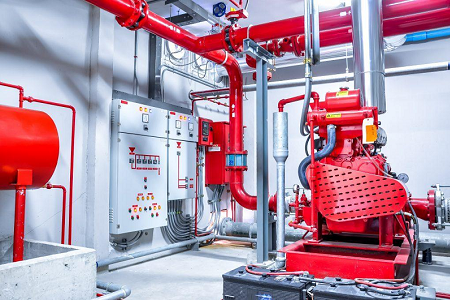
In today’s world, where industries, commercial establishments, and even residential complexes are expanding rapidly, the demand for effective wastewater management has become more critical than ever. Water scarcity and environmental concerns have made it necessary for businesses and communities to adopt advanced treatment methods. This is where LTP plants and comprehensive LTP solutions play a vital role.
An LTP plant (Liquid Treatment Plant) is designed to treat wastewater efficiently, ensuring that the discharged water meets environmental standards and is safe for reuse or disposal. Beyond compliance, investing in an LTP plant setup contributes directly to sustainable development, reduced operational costs, and corporate responsibility. Let’s explore why these systems are becoming indispensable and how they shape a greener tomorrow.
What is an LTP Plant?
An LTP plant is a wastewater treatment system designed to handle liquid waste generated by industries, commercial buildings, and residential complexes. The plant follows a series of physical, chemical, and biological processes to purify wastewater. The treated water can then be discharged safely or reused for non-potable applications such as landscaping, cooling towers, or toilet flushing.
The core objective of an LTP plant setup is to:
Reduce pollutants in wastewater.
Ensure compliance with government regulations.
Recycle and reuse water wherever possible.
Protect natural water bodies from contamination.
The Importance of LTP Solutions in Modern Infrastructure
Adopting advanced LTP solutions goes beyond meeting statutory requirements—it signifies a commitment to environmental stewardship. With urbanization increasing, the pressure on existing water resources is immense. By integrating an LTP plant, industries and communities can recycle significant volumes of wastewater, reducing dependency on freshwater sources.
Some of the key advantages of adopting robust LTP solutions include:
Environmental Protection – Prevents untreated wastewater from polluting rivers, lakes, and groundwater.
Water Reuse – Treated water can be recycled, cutting down on fresh water usage.
Cost Savings – Minimizes expenses related to water procurement and waste disposal.
Regulatory Compliance – Ensures businesses adhere to environmental laws and avoid penalties.
Brand Reputation – Demonstrates a commitment to sustainability, which enhances credibility with customers and stakeholders.
Steps Involved in LTP Plant Setup
Establishing an efficient LTP plant setup requires detailed planning, technical expertise, and high-quality equipment. The setup process generally involves:
1. Site Assessment
Engineers evaluate the type and volume of wastewater generated and analyze the space available for installation.
2. Design & Engineering
A customized design is developed to match the specific wastewater characteristics, ensuring maximum efficiency and cost-effectiveness.
3. Selection of Technology
Depending on the requirements, technologies like activated sludge process, MBBR (Moving Bed Biofilm Reactor), or SBR (Sequencing Batch Reactor) are chosen.
4. Construction & Installation
The plant is constructed with tanks, aeration systems, pumps, filters, and control units. Proper installation ensures durability and operational efficiency.
5. Testing & Commissioning
Once installed, the plant undergoes rigorous testing to ensure it meets desired performance levels before being handed over for daily operations.
6. Operation & Maintenance
Regular monitoring, servicing, and maintenance are essential to keep the plant functioning efficiently and to prolong its life.
Choosing the Right LTP Plant Setup
Every industry or housing complex has unique wastewater treatment requirements. The choice of LTP plant setup should consider:
Type of Effluent: Industrial wastewater differs greatly from residential or commercial waste.
Capacity Needs: The daily wastewater output determines plant size.
Space Availability: Compact modular plants are available for limited spaces.
Budget Constraints: While initial costs may vary, operational efficiency must always be prioritized.
Scalability: Plants should be designed to handle future expansion needs.
Innovations in LTP Solutions
Modern LTP solutions now integrate smart technology and automation to make wastewater management more efficient. Some key innovations include:
IoT-based Monitoring: Real-time sensors provide data on water quality and plant performance.
Energy-Efficient Systems: Advanced aeration systems reduce power consumption.
Compact Modular Designs: Ideal for urban spaces with limited land availability.
Sludge Management Solutions: Innovative processes reduce sludge generation and disposal costs.
These technological advancements ensure that an LTP plant not only treats wastewater effectively but also aligns with sustainability goals.
Industries and Establishments Benefiting from LTP Plants
An LTP plant setup is no longer limited to heavy industries. Its applications have widened across various sectors, including:
Residential Apartments & Housing Societies
Hotels and Hospitality Industry
Hospitals and Healthcare Facilities
Educational Institutions
Manufacturing Units
IT Parks and Corporate Offices
Each sector requires tailored LTP solutions to match its wastewater output and quality standards.
The Future of LTP Plants
As governments tighten environmental regulations and society becomes more eco-conscious, the role of LTP plants will only grow. With water scarcity posing a global challenge, industries and communities must view wastewater not as waste but as a resource.
Future-ready LTP plant setups will emphasize:
Higher efficiency at lower costs.
Greater focus on water recycling.
Eco-friendly and zero-liquid discharge (ZLD) solutions.
Smart digital control systems for better automation.
Conclusion
The demand for effective wastewater treatment is no longer optional—it is a necessity. Investing in a reliable LTP plant setup backed by innovative LTP solutions is a smart move for industries, commercial complexes, and residential societies alike. These plants not only ensure compliance with environmental norms but also contribute to sustainability, cost reduction, and long-term resilience.
By adopting advanced LTP plants, we can collectively take a big step toward conserving water resources and safeguarding our environment for future generations.