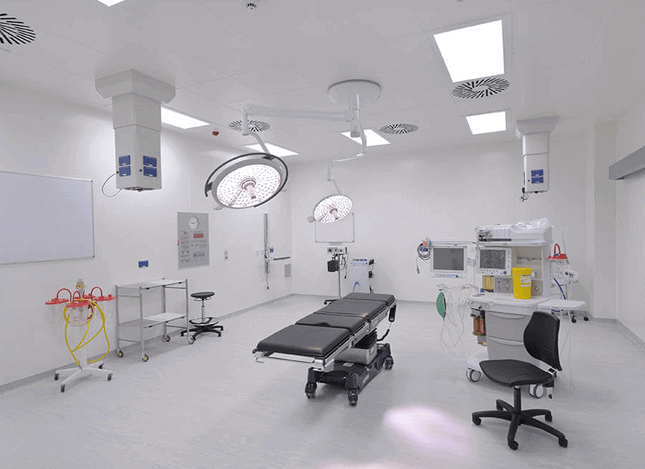
Every modern building — whether it's a commercial tower, a hospital, a factory, or a residential complex — depends on systems that most people never see: the wiring behind the walls, the pipes beneath the floors, and the ducts above the ceiling. These systems are collectively known as MEP, which stands for Mechanical, Electrical, and Plumbing. Getting them right is the difference between a building that runs smoothly for decades and one plagued by breakdowns, inefficiency, and safety hazards. That's why choosing the right MEP contractor is one of the most important decisions in any construction project.
What Is an MEP Contractor?
An MEP contractor is a specialized firm responsible for designing, installing, and maintaining the mechanical, electrical, and plumbing systems within a building. Unlike a general contractor who oversees the overall construction, an MEP contractor focuses specifically on:
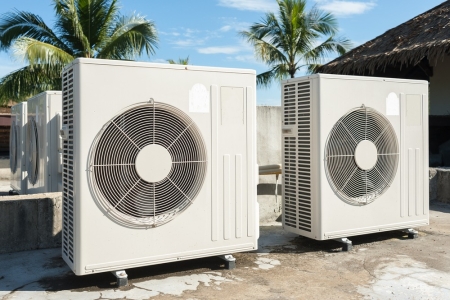
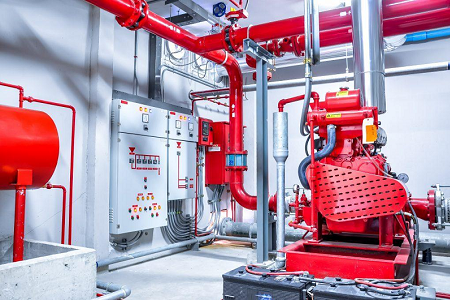
Mechanical systems — HVAC (heating, ventilation, and air conditioning), fire protection systems, and building automation
Electrical systems — power distribution, lighting, backup generators, and low-voltage systems like security and networking
Plumbing systems — water supply, drainage, sewage treatment, and fire-fighting water networks
Because these three disciplines are deeply interconnected, working with a single, integrated MEP contractor rather than three separate vendors leads to better coordination, fewer design clashes, and a smoother project timeline.
Why MEP Work Requires Specialized Expertise
MEP systems are often called the nervous system of a building. A small error in duct sizing, cable load calculation, or pipe routing can lead to major cost overruns or safety risks down the line. This is why hiring a qualified MEP contractor — rather than leaving this work to general labor — matters so much. A professional MEP contractor brings:
Technical design capability, including load calculations, energy modeling, and system simulations
Coordination skills to avoid clashes between ducts, pipes, and cable trays during installation
Compliance knowledge of local building codes, fire safety norms, and environmental regulations
Project management to ensure MEP work stays aligned with the overall construction schedule
The Role of an MEP Contractor in India
The construction landscape in India has changed dramatically over the past decade. Rapid urbanization, the growth of IT parks and data centers, expanding healthcare infrastructure, and government-backed housing and smart city initiatives have all increased demand for high-quality MEP contracting services. Today, an MEP Contractor in India must be equipped to handle:
Diverse climatic conditions, from the humid coastal cities to the extreme heat of northern plains, all of which affect HVAC design
Compliance with Indian codes and standards, such as the National Building Code (NBC), IS standards, and local fire and electrical safety regulations
Green building certifications like IGBC and LEED, as sustainability becomes a core requirement for commercial and institutional projects
Large-scale, fast-track projects, including metro systems, airports, hospitals, and industrial plants, that demand tight coordination and rapid execution
India's MEP contracting industry has matured significantly, with many firms now offering end-to-end services — from design consultation and BIM (Building Information Modeling) coordination to installation, testing, commissioning, and long-term facility maintenance.
Key Services Offered by a Professional MEP Contractor Company
A well-established MEP contractor company typically offers a full suite of services, including:
1. Design and Engineering — Detailed MEP drawings, load calculations, and system layouts tailored to the building's use and occupancy
2. BIM Coordination — 3D modeling to detect and resolve clashes between different systems before construction begins
3. Procurement — Sourcing quality-certified equipment and materials from trusted manufacturers
4. Installation — On-site execution of HVAC, electrical, fire-fighting, and plumbing systems
5. Testing and Commissioning — Ensuring all systems function safely and efficiently before handover
6. Operation and Maintenance (O&M) — Ongoing support to keep systems running efficiently over the building's lifecycle
How to Choose the Right MEP Contractor
With so many players in the market, selecting the right partner can feel overwhelming. Here are a few factors worth evaluating:
Track record: Look for a portfolio of completed projects similar in scale and complexity to yours
Technical team: Verify that the company employs qualified engineers across mechanical, electrical, and plumbing disciplines
Safety record: Ask about safety certifications and past compliance history
Technology adoption: Contractors using BIM and other digital coordination tools tend to deliver fewer errors and delays
After-sales support: A good MEP contractor doesn't disappear after handover — ongoing maintenance support is essential for long-term reliability
Conclusion
Whether you're developing a commercial complex, an industrial facility, or a residential township, the success of your project depends heavily on the quality of your MEP systems. Partnering with an experienced MEP contractor company ensures that these critical systems are designed and installed with precision, safety, and efficiency in mind. As infrastructure development continues to accelerate across the country, working with a reliable MEP Contractor in India — one with proven technical expertise and a strong project delivery track record — can make all the difference between a building that simply stands and one that truly performs.